
India is the largest rice exporter in the world and plays a crucial role in global agricultural trade.and plays a crucial role in the global agricultural trade market. For entrepreneurs and businesses interested in entering international trade, understanding How to Export Rice from India can open profitable opportunities in the global food supply chain.
Rice is one of the most consumed staple foods globally. According to the Food and Agriculture Organization (FAO), more than 3.5 billion people depend on rice as their primary food source. As a result, global demand for rice continues to grow. As a result, global demand for rice remains extremely strong. This massive demand has created strong international markets for rice-exporting countries.
Due to its diverse rice varieties and favorable climate, the country dominates global rice exports., favorable climate, and large agricultural production capacity. According to the Agricultural and Processed Food Products Export Development Authority (APEDA):
- In 2023, India exported more than 22 million metric tons of rice.
- Additionally, the country generated over $11 billion in revenue during the same year.
- Today, Indian rice is supplied to more than 150 countries worldwide.
Because of this demand, many entrepreneurs are searching for reliable information about How to Export Rice from India and how to start a successful rice export business.
Companies like GrowCartexim are actively involved in agro products export from India, helping international buyers source high-quality rice directly from trusted suppliers and farmers.
This comprehensive guide explains the entire process of rice export, including market demand, export documentation, pricing, logistics, and strategies to find international buyers.
Global Rice Production and Trade
Rice is among the most traded agricultural commodities worldwide. Global rice production exceeds 750 million metric tons annually. Many countries depend on imported rice to meet domestic food demand. especially in regions where local production is not sufficient. As a result, rice exports play a vital role in maintaining global food supply chains and supporting international agricultural trade.
Furthermore, India leads global rice exports because of several advantages:
- Asia produces nearly 90% of the world's rice
- India accounts for around 40% of global rice exports
- Major exporters include India, Thailand, Vietnam, Pakistan, and the United States
- Strong logistics and export infrastructure
- Government support for agricultural exports
Key facts about the global rice market include:
- Asia produces nearly 90% of the world's rice
- India accounts for around 40% of global rice exports
- Major rice exporting countries include India, Thailand, Vietnam, Pakistan, and the United States
Entrepreneurs interested in agricultural trade often begin by learning How to Export Rice from India because rice has consistent demand across multiple continents.
Businesses involved in agro products export from India often include rice in their product portfolio because it offers stable international demand.
Companies such as GrowCartexim support global trade by connecting international importers with reliable Indian basmati rice suppliers and rice producers.
Types of Rice Exported from India
India exports several varieties of rice, but they are broadly categorized into two major types:
- Basmati rice
- Non basmati rice
Understanding these categories is essential when researching How to Export Rice from India.
Basmati Rice Export from India
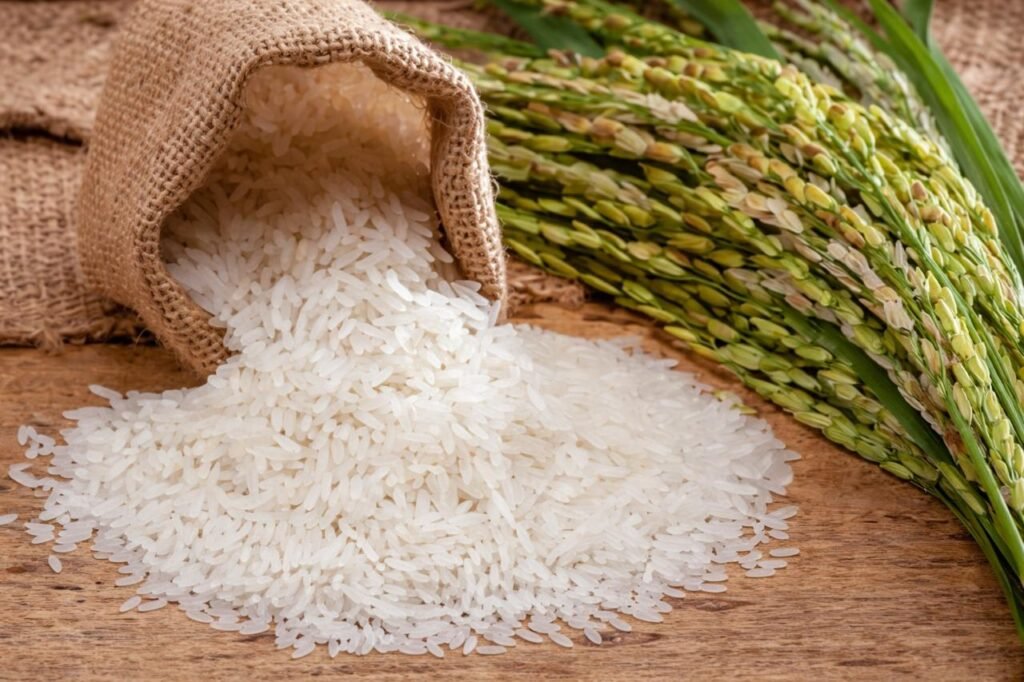
Basmati rice export from India represents the premium segment of the global rice market.
Basmati rice is widely known for:
- Long grains
- Distinct aroma
- Soft texture after cooking
- High nutritional value
Major basmati rice producing states in India include:
- Punjab
- Haryana
- Uttar Pradesh
- Uttarakhand
- Himachal Pradesh
According to APEDA statistics:
- India exported about 4.5 million metric tons of basmati rice in 2023
- Export value exceeded $4.8 billion
- The Middle East remains the largest market
Top importing countries include:
- Saudi Arabia
- Iran
- United Arab Emirates
- Iraq
- United States
- United Kingdom
International buyers often depend on Indian basmati rice suppliers to obtain authentic basmati rice with proper quality certifications.
Export companies likeGrowcart Exim help global buyers access reliable suppliers and maintain consistent product quality.
Non Basmati Rice Export from India
While basmati rice dominates the premium segment, non basmati rice export from India accounts for the majority of export volume. Additionally, these rice varieties are widely consumed across Africa, Asia, and the Middle East. because they are more affordable and available in large quantities. Non basmati rice is commonly used as a staple food in many developing countries, making it an important commodity in global food trade.
Common non basmati rice varieties include:
- IR64 rice
- Sona Masoori rice
- Parboiled rice
- Broken rice
- White rice
Important statistics:
- India exported around 17 million metric tons of non basmati rice in 2023
- African countries are the largest importers
- Non basmati rice is affordable and widely consumed
Major markets include:
- Benin
- Senegal
- Bangladesh
- Nepal
- Malaysia
Exporters studying How to Export Rice from India often start with non basmati rice because of its high demand in developing countries.
Top Rice Importing Countries
Understanding top rice importing countries is important for exporters targeting profitable markets. By identifying countries with high rice demand and limited domestic production, exporters can focus on markets that offer strong trade opportunities. .
According to global trade data, the largest rice importing nations are:
- China
- Philippines
- Nigeria
- Iran
- Saudi Arabia
- Indonesia
- Iraq
- Malaysia
- South Africa
- United Arab Emirates
Reasons for high imports include:
- Large population
- Limited domestic rice production
- Increasing food demand
- Government food security programs
Export businesses that understand How to Export Rice from India can successfully supply rice to these markets.
How to Export Rice from India: Step-by-Step Process
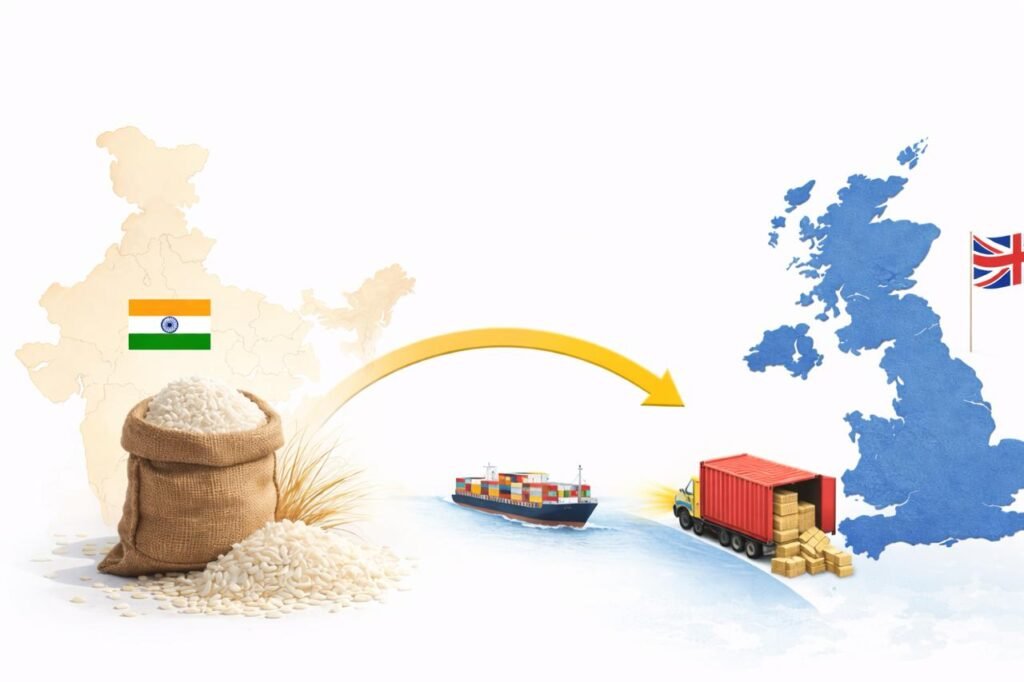
Starting a rice export business requires following several legal and operational steps.
Understanding How to Export Rice from India involves the following stages.
Step 1: Register Your Business
The first step in starting a rice export business is registering your company.
Common business structures include:
- Sole proprietorship
- Partnership
- Limited Liability Partnership (LLP)
- Private Limited Company
Business registration provides legal recognition and allows companies to operate in international trade.
Step 2: Obtain Import Export Code
An Import Export Code (IEC) is mandatory for exporting goods from India.
Important facts:
- Issued by the Directorate General of Foreign Trade (DGFT)
- Required for all international trade transactions
- Allows businesses to ship goods internationally
Obtaining an IEC is one of the most important steps in How to Export Rice from India.
Step 3: APEDA Registration
Rice exporters must register with APEDA (Agricultural and Processed Food Products Export Development Authority).
Benefits include:
- Export promotion support
- Market intelligence reports
- Trade opportunities
- Government incentives
APEDA certification is required for businesses engaged in agro products export from India.
Documents Required to Export Rice from India
Exporting rice requires several important documents.
Common export documents include:
- Import Export Code (IEC)
- APEDA Registration Certificate
- Commercial Invoice
- Packing List
- Bill of Lading
- Certificate of Origin
- Phytosanitary Certificate
- Quality Inspection Certificate
Proper documentation ensures smooth customs clearance and international shipping.
Rice Export Price from India
Understanding rice export price from India is essential for exporters.
Prices vary depending on several factors:
- Rice variety
- Quality grade
- Packaging standards
- Shipping costs
- Global demand
Average export prices:
- Basmati rice: $900 – $1200 per ton
- Non basmati rice: $350 – $500 per ton
Exporters must monitor global market trends when learning How to Export Rice from India.
Packaging and Quality Standards
Rice exported internationally must meet strict quality and packaging standards.
Common packaging methods include:
- 5 kg retail bags
- 10 kg bags
- 25 kg bags
- 50 kg export bags
Packaging materials used:
- Polypropylene bags
- Vacuum packaging
- Laminated food-grade packaging
Quality inspection ensures that rice meets international safety standards.
Logistics and Shipping Process for Rice Export
Shipping is a critical part of How to Export Rice from India.
Common shipping methods include:
- Sea freight (most common)
- Container shipping
- Bulk cargo shipping
Major rice export ports in India:
- Kandla Port
- Mundra Port
- Chennai Port
- Kolkata Port
- Visakhapatnam Port
Efficient logistics ensure timely delivery to international buyers.
Finding International Buyers for Rice
One of the most important steps in rice export is finding reliable buyers. Building strong relationships with trustworthy importers helps ensure consistent orders, smooth transactions, and long-term business growth in the international rice market.
Exporters can find buyers through:
- B2B platforms
- Trade exhibitions
- Export promotion councils
- Importer directories
- Networking with global distributors
Companies such as GrowCartexim connect global buyers with verified suppliers, simplifying international trade.
Role of Rice Export Companies in India
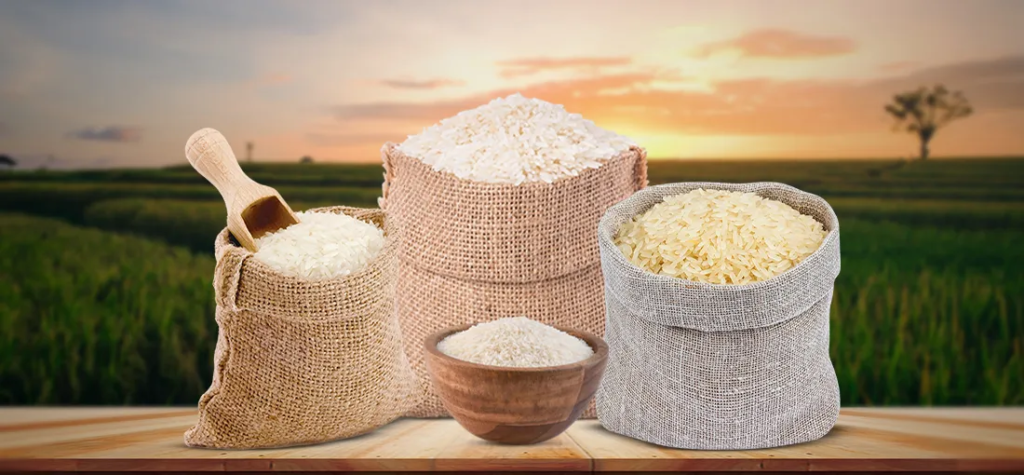
Many rice export companies in India help manage the export process. They support exporters and international buyers by handling sourcing, quality inspection, documentation, packaging, and logistics to ensure smooth and efficient delivery of rice to global markets.
Their services include:
- Product sourcing
- Quality inspection
- Packaging
- Export documentation
- Logistics coordination
Companies like GrowCartexim support global buyers and importers by supplying high-quality rice directly from trusted suppliers.
Challenges in the Rice Export Business
While the rice export business offers strong opportunities, exporters may face challenges such as:
- Price fluctuations
- Export restrictions
- Currency exchange risks
- Shipping delays
- Quality compliance issues
Understanding these challenges is essential for businesses exploring How to Export Rice from India.
Future of Rice Exports from India
India’s rice export industry is expected to grow in the coming years. Increasing global population, rising food demand, and strong international trade relationships are expected to further boost the demand for Indian rice in global markets.
Factors driving growth include:
- Increasing global population
- Rising food demand
- Expanding agricultural production
- Strong international trade partnerships
Businesses involved in agro products export from India are expected to benefit from this growing demand.
Companies like GrowCartexim will continue to play an important role in connecting international buyers with Indian agricultural suppliers.
Conclusion
The global demand for rice continues to increase as populations grow and food security becomes a major concern worldwide. India’s position as the world’s largest rice exporter creates strong opportunities for entrepreneurs interested in international trade.
Learning How to Export Rice from India involves understanding market demand, export documentation, sourcing quality rice, and building reliable buyer relationships.
Key steps include:
- Registering your export business
- Obtaining an Import Export Code
- Registering with APEDA
- Understanding rice varieties
- Finding international buyers
- Managing logistics and pricing
Export companies like GrowCartexim help simplify the export process by connecting global buyers with trusted Indian basmati rice suppliers and agricultural producers.
With proper planning, market research, and compliance with export regulations, the rice export business can become a profitable venture for new exporters entering the global agricultural trade industry.
Frequently Asked Questions
1. What is the first step to export rice from India?
The first step is to legally register your export business. You must obtain an Import Export Code (IEC) from the Directorate General of Foreign Trade (DGFT). This code allows businesses to trade internationally. After getting the IEC, exporters should register with APEDA, which regulates agricultural exports from India.
2. What documents are required to export rice from India?
Rice exporters typically need several important documents, including:
- Import Export Code (IEC)
- APEDA Registration Certificate
- Commercial Invoice
- Packing List
- Bill of Lading
- Certificate of Origin
- Phytosanitary Certificate
- Quality Inspection Certificate
These documents ensure that the rice shipment meets international trade and food safety regulations.
3. Which countries import the most rice from India?
Some of the top rice importing countries include:
- Saudi Arabia
- Iran
- United Arab Emirates
- Iraq
- Nigeria
- Benin
- Senegal
- United States
These countries import large quantities of both basmati rice and non basmati rice from India due to high demand and limited domestic production.
4. What is the difference between basmati and non basmati rice export from India?
Basmati rice export from India focuses on premium aromatic rice varieties that are mainly exported to the Middle East, Europe, and the United States.
Non basmati rice export from India includes varieties like Sona Masoori, IR64, and parboiled rice, which are widely exported to African and Asian countries because they are more affordable.
5. What is the average rice export price from India?
The rice export price from India depends on the rice variety, quality, packaging, and international demand. On average:
- Basmati rice export price: $900 to $1200 per ton
- Non basmati rice export price: $350 to $500 per ton
Prices may change depending on global supply, shipping costs, and market demand.
6. How can new exporters find buyers for Indian rice?
New exporters can find international buyers through:
- B2B platforms like Alibaba and TradeIndia
- International food trade exhibitions
- Export promotion councils
- Importer directories
- Networking with global distributors
Many rice export companies in India, including GrowCartexim, help international buyers connect with reliable Indian basmati rice suppliers and agricultural exporters.


0 Comments