
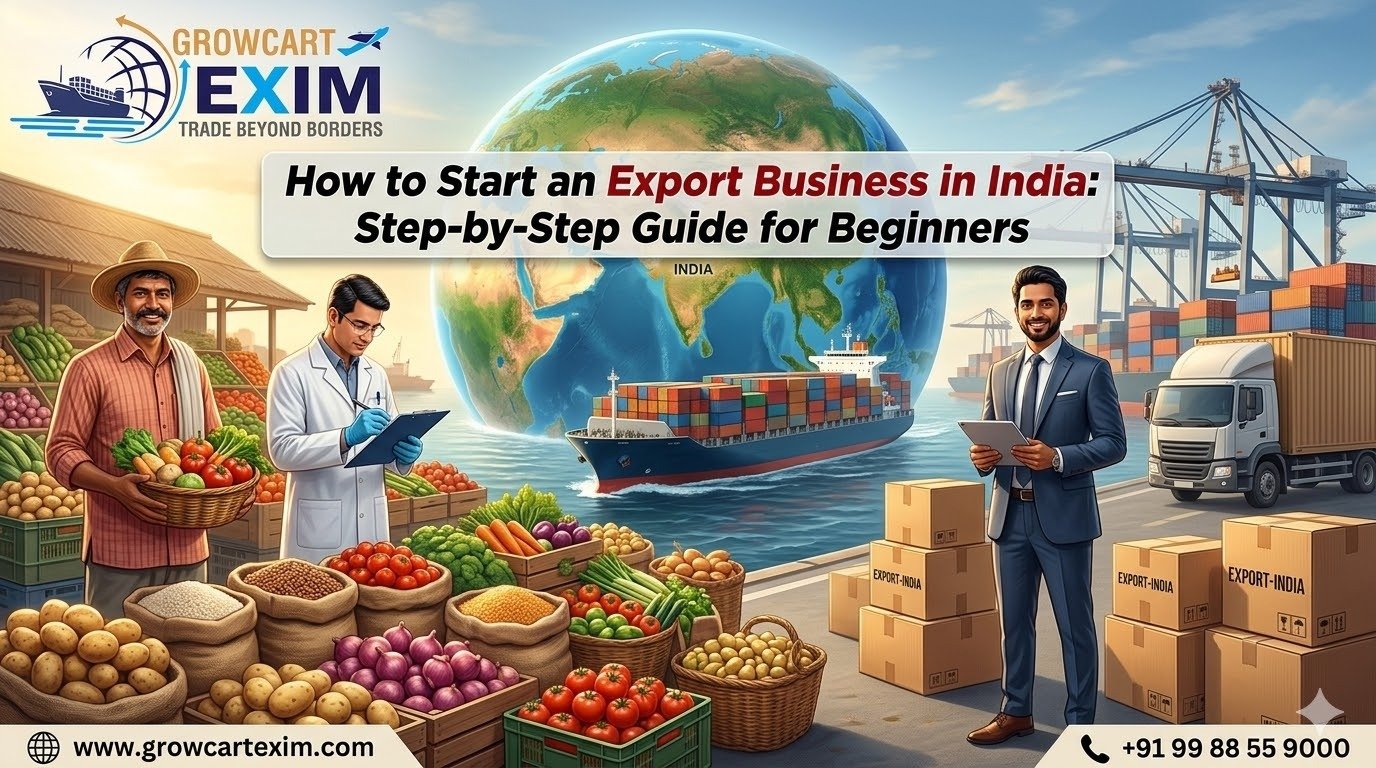
Breaking into global markets may seem complex at first, but starting an export business in India is more achievable than ever. If you’re wondering how to start an export business in India, the process becomes much easier when you follow the right steps. With growing global demand for Indian products, beginners can build a successful venture by choosing the right products, completing essential registrations, and understanding export procedures. From documentation to logistics and compliance, a clear strategy will help you confidently grow your export business in India and expand into international markets.
How to Start an Export Business in India: Understanding the Basics
Starting an export business in India is one of the most promising opportunities for entrepreneurs who want to expand beyond domestic markets and build a global presence. With India being one of the largest producers of agricultural goods, spices, textiles, and industrial products, the scope for export from India is vast and continuously growing.
An export business in India involves selling goods produced within the country to international buyers across different markets. This process requires a clear understanding of trade regulations, export compliance, supply chain management, and logistics and shipping. With the right knowledge and execution, even beginners can successfully establish an import export business in India and generate sustainable income.
India’s position in global trade has strengthened over the years due to improved infrastructure, government support, and increasing demand for Indian products worldwide. Entrepreneurs exploring export business ideas India offers can take advantage of this growth and build profitable ventures through a well-planned export business in India.
What is an Export Business?
An export business refers to the process of sending goods or services from one country to another for sale. In the Indian context, exporters source products locally and supply them to international buyers who require those goods for consumption or resale.
Export businesses act as a bridge between domestic manufacturers and global markets. They ensure that products meet international standards, handle documentation, and manage the transportation of goods across borders.
Importance of Export Business in India
The export business in India plays a crucial role in economic development. It helps in generating foreign exchange, creating employment opportunities, and promoting local industries on a global scale.
Export companies like Growcart Exim contribute significantly to this ecosystem by connecting Indian suppliers with international buyers and ensuring smooth operations through proper supply chain management and export compliance.
Key Elements of Export Business
To understand how to start an export business in India, it is important to know the core elements involved:
- Product sourcing and quality control
- Market research and identification of international buyers
- Export documentation and compliance with trade regulations
- Logistics and shipping management
- Payment processing and financial management
Each of these elements must be handled efficiently to ensure the success of your export company in India.
How to Start an Export Business in India: Step-by-Step Process
Starting an export business requires a structured approach. Below is a detailed step-by-step guide that will help you understand the complete process.
Step 1: Choose the Right Product
Selecting the right product is the foundation of your export business. The product should have demand in international markets and should be available in sufficient quantity in India.
Factors to Consider While Choosing a Product
- Global demand and market trends
- Availability of raw materials
- Profit margins and pricing
- Competition in target markets
- Export restrictions and policies
Products such as spices, rice, pulses, textiles, and leather goods are among the most popular export categories from India.
Step 2: Conduct Market Research
Market research is essential to identify the right countries where your product is in demand. It also helps in understanding customer preferences and competitor strategies.
Key Aspects of Market Research
- Identifying target countries
- Studying demand trends
- Analyzing competitors
- Understanding pricing strategies
- Evaluating trade regulations
Proper market research helps you connect with the right international buyers and increase your chances of success.
Step 3: Create a Business Plan
A well-structured business plan provides direction and clarity for your export business in India.
Components of a Business Plan
- Business goals and objectives
- Product and market analysis
- Marketing and sales strategy
- Logistics and shipping plan
- Financial projections
A strong business plan also helps in securing funding and managing risks effectively.
Step 4: Register Your Business
To operate legally, you need to register your export company in India.
Types of Business Structures
- Sole proprietorship
- Partnership firm
- Limited Liability Partnership
- Private Limited Company
Required Documents
- PAN card
- Aadhaar card
- Bank account
- Business registration certificate
Step 5: Obtain an Import Export Code
An Import Export Code is mandatory for any export from India. It is issued by the Directorate General of Foreign Trade.
Benefits of the Import-Export Code
- Enables international trade
- Required for customs clearance
- Helps in availing government benefits
Step 6: Complete APEDA Registration
For businesses dealing with agricultural products, APEDA registration is essential.
Benefits of APEDA Registration
- Ensures product quality standards
- Provides access to international markets
- Offers financial assistance and guidance
Step 7: Understand Export Compliance
Export compliance ensures that your business follows all legal and regulatory requirements.
Key Areas of Export Compliance
- Documentation requirements
- Product quality standards
- Packaging and labeling
- Trade regulations
Step 8: Build Supply Chain Management
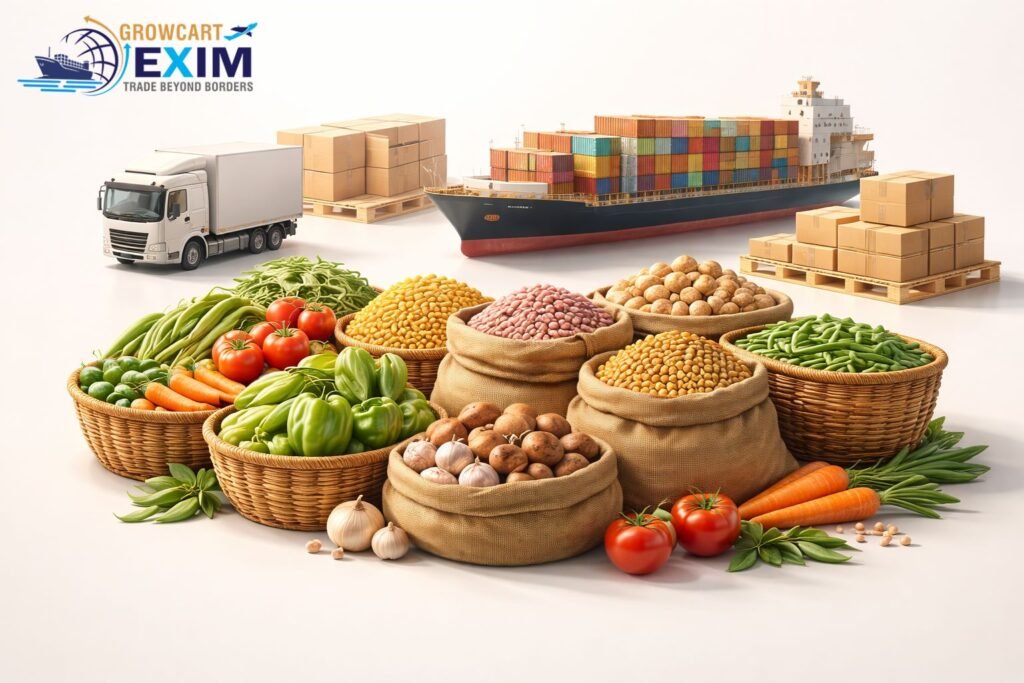
Efficient supply chain management is crucial for maintaining product quality and timely delivery.
Components of Supply Chain Management
- Supplier selection
- Inventory management
- Quality control
- Packaging and storage
A strong supply chain ensures smooth operations and customer satisfaction.
Step 9: Arrange Logistics and Shipping
Logistics and shipping play a vital role in export business operations.
Types of Shipping
- Air freight for faster delivery
- Sea freight for bulk shipments
Key Considerations
- Cost efficiency
- Delivery timelines
- Packaging standards
- Insurance
Step 10: Find International Buyers
Finding reliable international buyers is one of the most important steps in the export business in India.
Ways to Find Buyers
- B2B platforms
- Trade fairs and exhibitions
- Export promotion councils
- Networking and referrals
Building strong relationships with buyers leads to long-term business growth.
Step 11: Set Pricing and Payment Terms
Pricing should be competitive while ensuring profitability.
Factors Affecting Pricing
- Production cost
- Logistics and shipping cost
- Taxes and duties
- Market competition
Payment Methods
- Letter of Credit
- Advance payment
- Open account
Step 12: Export Documentation
Documentation is a critical part of the export business in India.
Essential Documents
- Commercial invoice
- Packing list
- Bill of lading
- Certificate of origin
- Insurance certificate
Step 13: Customs Clearance
Customs clearance ensures that goods comply with legal requirements before leaving the country.
Process
- Filing shipping bill
- Inspection
- Duty clearance
Step 14: Shipping and Delivery
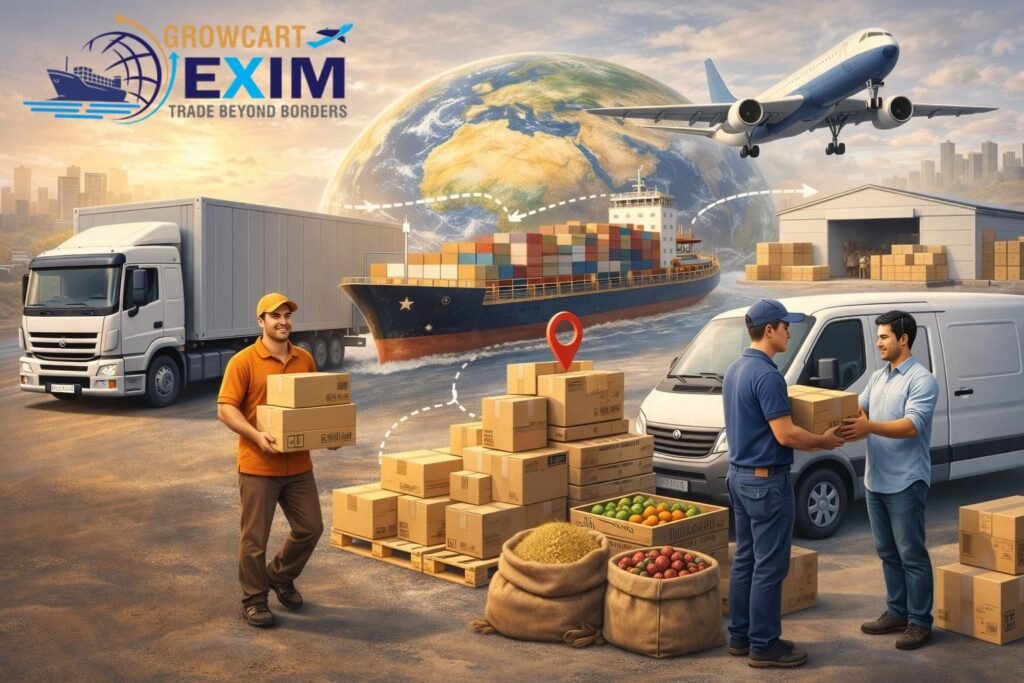
After clearance, goods are shipped to the destination country.
Steps Involved
- Booking shipment
- Tracking delivery
- Ensuring safe transportation
Step 15: Post-Delivery Process
After delivery, maintaining communication with buyers is essential.
Includes
- Payment confirmation
- Feedback collection
- Building long-term relationships
Role of Growcart Exim in Export Business
Growcart Exim plays an important role in simplifying the complexities of export business in India. With expertise in logistics and shipping, supply chain management, and export compliance, such companies help businesses operate efficiently in global markets.
They assist in sourcing quality products, handling documentation, and connecting with international buyers, making it easier for beginners to succeed in export business.
Challenges in Export Business in India
While export business offers great opportunities, it also comes with challenges.
Common Challenges
- Understanding trade regulations
- Managing logistics and shipping
- Maintaining product quality
- Finding reliable international buyers
- Handling currency fluctuations
Solutions
- Stay updated with policies
- Build strong supplier networks
- Use digital tools for market research
- Partner with experienced exporters
Benefits of Export Business in India
Exporting provides several advantages.
Key Benefits
- Access to global markets
- Higher profit margins
- Business expansion opportunities
- Diversification of income
Advanced Strategies for Export Business Growth

Growing an export business in India goes beyond just completing shipments and finding initial buyers. To achieve long-term success and scale globally, businesses must adopt advanced strategies that focus on efficiency, branding, market expansion, and strong relationships with international buyers. These strategies help exporters stay competitive in a rapidly evolving global trade environment.
Building a Strong Brand
Branding helps in gaining trust and credibility among international buyers.
Digital Marketing for Exporters
Online platforms can help you reach global customers effectively.
Expanding Product Range
Diversifying products can increase revenue and reduce risks.
Future of Export Business in India
The future of exports from India is highly promising due to increasing global demand and government initiatives.
Growth Drivers
- Digital transformation
- Improved infrastructure
- Government support
Conclusion
Starting an export business in India requires careful planning, proper documentation, and a clear understanding of global markets. From selecting the right product to managing logistics and shipping, every step plays a crucial role in building a successful export company in India.
By focusing on supply chain management, export compliance, and building strong relationships with international buyers, entrepreneurs can achieve long-term success.
Growcart Exim serves as an example of how expertise and strategic planning can simplify export operations and help businesses expand globally. With the right approach and consistent effort, the export business in India offers immense growth potential.
Frequently Asked Questions
1. What is the first step to start an export business in India?
The first step is selecting the right product based on global demand and conducting market research.
2. Is the Import Export Code mandatory?
Yes, it is mandatory for any export from India.
3. How can I find international buyers?
You can use B2B platforms, attend trade fairs, and connect through export promotion councils.
4. What are the key documents required for export?
Commercial invoice, packing list, bill of lading, and certificate of origin are essential documents.
5. What is APEDA registration?
It is required for exporting agricultural products and ensures quality standards.
6. Is export business profitable in India?
Yes, due to high global demand, it can be highly profitable.
0 Comments