
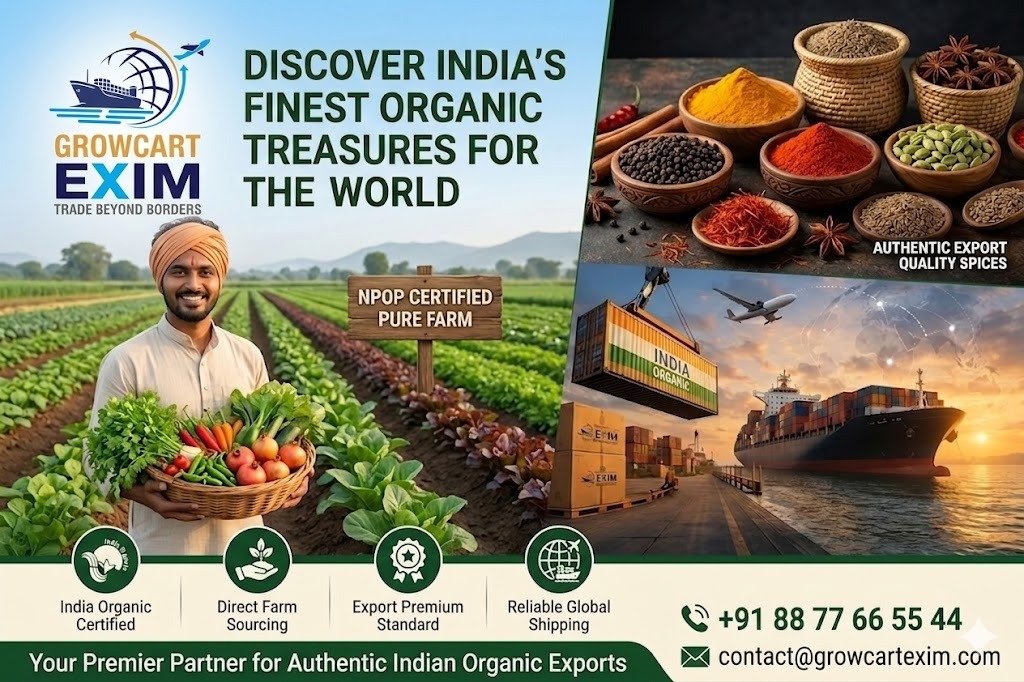
In recent years, consumers across the globe have become increasingly conscious about what they eat. Food is no longer just about taste - it is about health, sustainability, and ethical sourcing. People are actively choosing products that are free from harmful chemicals and grown using eco-friendly methods.
India has emerged as a global powerhouse in the organic products industry. With increasing awareness about health, sustainability, and eco-friendly practices, the demand for organic food products is rapidly rising across international markets. This presents a significant opportunity for Indian exporters to tap into a thriving global market.
This global transformation has opened up significant opportunities for Organic Products Export from India, making it one of the fastest-growing segments in international trade. With rising awareness about environmental protection and personal well-being, organic products are gaining widespread acceptance across developed and emerging markets.
India, known for its rich agricultural traditions and biodiversity, has naturally become a strong player in this sector. However, entering international markets requires more than just producing organic goods. Exporters must understand certifications, logistics, compliance standards, and global demand trends.
This guide will walk you through everything you need to know to build a successful organic export business from India.
Growth of India’s Organic Export Industry
India has witnessed remarkable growth in organic farming over the past decade. With millions of hectares dedicated to organic cultivation, the country is now among the leading producers of organic goods worldwide.
The expansion of Organic Products Export from India is driven by several key factors:
- Increasing global demand for chemical-free food
- Government initiatives supporting organic farming
- Growing awareness about sustainable agriculture
- Rising export infrastructure and digital trade platforms
Unlike many developed nations that rely heavily on mechanized farming, India combines traditional agricultural practices with modern export systems. This unique blend ensures high-quality produce at competitive prices.
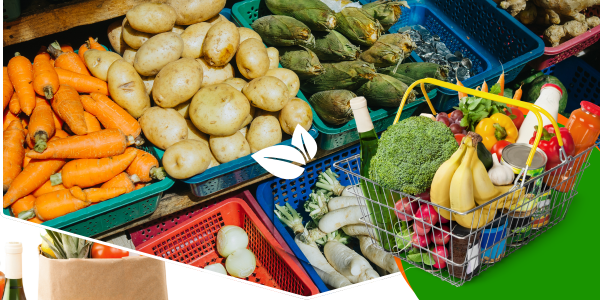
Why India is a Preferred Source for Organic Products
Global buyers are increasingly turning to India for organic sourcing due to its natural advantages. The rise of Organic Products Export from India can be attributed to the following strengths:
1. Diverse Climate Conditions
India’s varied climate supports the cultivation of a wide range of crops, including spices, cereals, fruits, and medicinal herbs.
2. Cost Advantage
Lower labor and production costs allow Indian exporters to offer competitive pricing without compromising quality.
3. Government Support
Organizations like APEDA provide financial assistance, infrastructure, and export guidance to businesses.
4. Traditional Farming Knowledge
Indian farmers have practiced natural farming techniques for generations, which aligns perfectly with organic standards.
These advantages make India a reliable and attractive partner in the global organic supply chain.
Organic Farming Practices in India
The foundation of Organic Products Export from India lies in its farming methods. Organic agriculture focuses on maintaining ecological balance and improving soil health.
Key Practices Include:
- Natural Farming: Eliminates synthetic fertilizers and chemicals
- Crop Rotation: Enhances soil fertility and reduces pests
- Composting: Converts organic waste into nutrient-rich manure
- Bio-Pesticides: Uses natural substances like neem for pest control
These methods ensure that products meet international quality standards and remain environmentally sustainable.
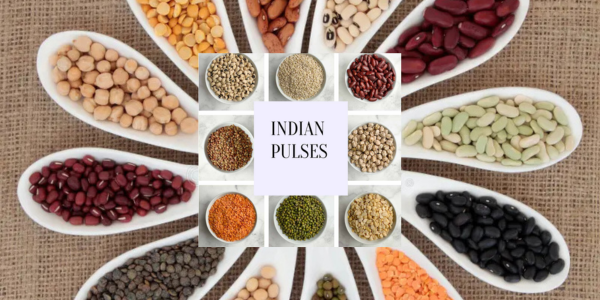
Sustainability and Global Impact
Sustainability is no longer a trend—it is a necessity. Consumers are now prioritizing products that are environmentally friendly and ethically produced.
The success of Organic Products Export from India is closely linked to this global shift. Indian farmers naturally follow eco-friendly practices, making their products highly appealing in international markets.
Benefits of sustainable organic farming include:
- Reduced environmental pollution
- Improved soil health
- Better farmer livelihoods
- Increased consumer trust
Organic Certification: A Key Requirement
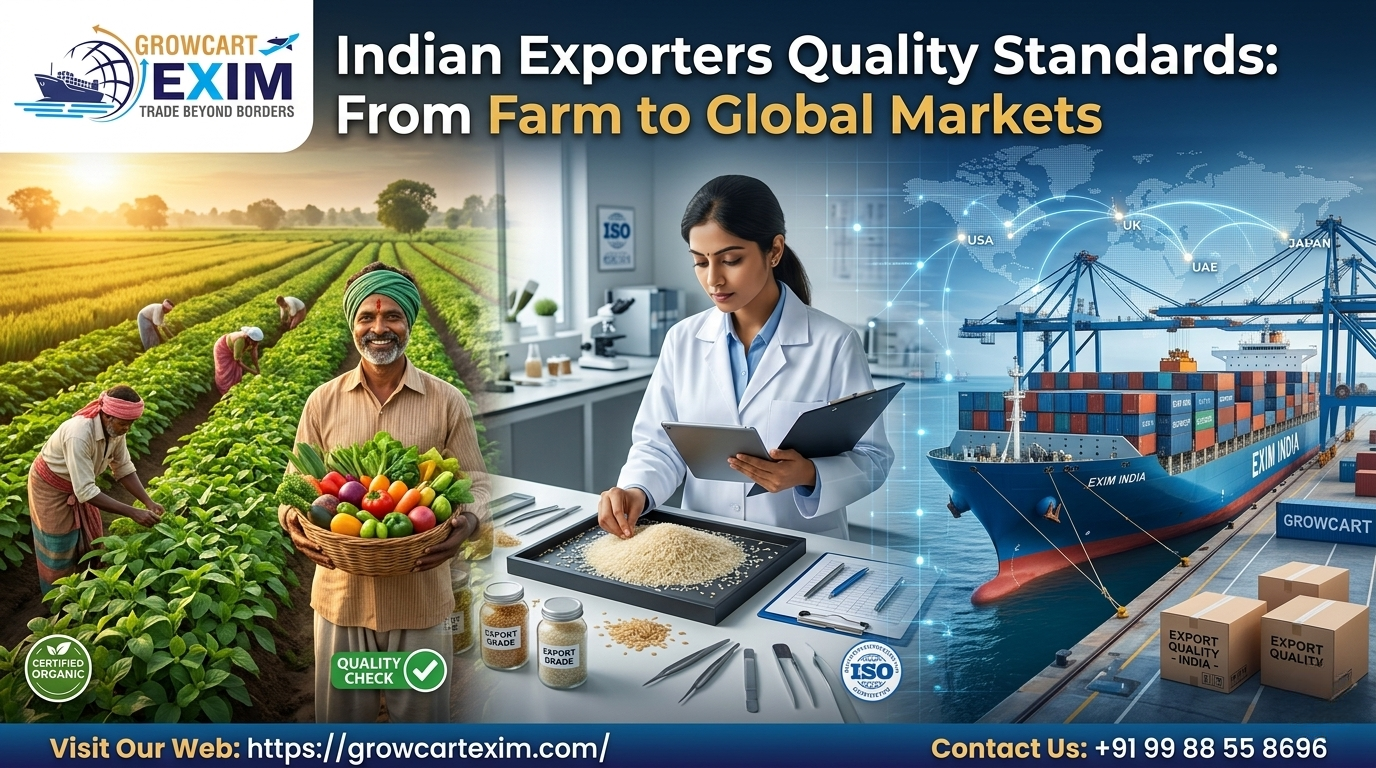
Certification is essential for exporting organic products. Without proper certification, products cannot be marketed as organic internationally.
The most important certification system in India is:
NPOP (National Programme for Organic Production)
This certification ensures that products meet global standards and are accepted in major markets such as:
- European Union
- United States
- United Kingdom
Certification plays a vital role in building credibility and expanding Organic Products Export from India.
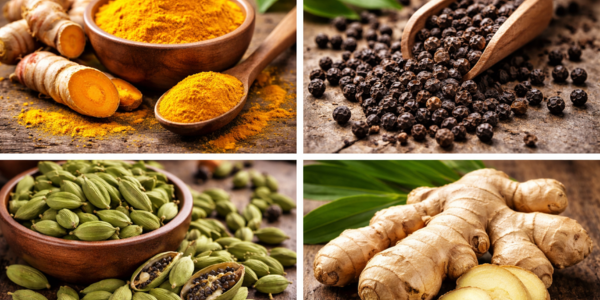
Top Organic Products in Demand
Several categories are driving the growth of India’s organic exports.
High-Demand Products:
- Organic spices (turmeric, cumin, pepper)
- Organic tea and coffee
- Pulses and lentils
- Millets and grains
- Organic cotton
These products are widely exported due to their high quality and increasing demand worldwide.
Global Market Trends to Watch
The global organic food market is expanding rapidly and is expected to cross billions in value in the coming years.
Key trends shaping Organic Products Export from India include:
1. Traceability
Consumers want to know the origin of their food and how it is produced.
2. Value-Added Products
Processed organic foods like spice mixes and ready-to-eat items offer higher profit margins.
3. E-commerce Growth
Online platforms are helping exporters reach global buyers directly.
4. Clean Label Demand
Consumers prefer products with minimal and natural ingredients.
Understanding these trends can help exporters stay competitive.
Building a Strong Supply Chain
A well-structured supply chain is crucial for export success.
Important Components:
- Segregated storage to prevent contamination
- Cold chain logistics for perishables
- Proper documentation and compliance
- Efficient transportation systems
A strong supply chain enhances reliability and strengthens Organic Products Export from India.
Farm-to-Market Approach
The farm-to-market model is becoming increasingly popular. It connects farmers directly with exporters and buyers.
Benefits:
- Higher profit margins
- Better quality control
- Increased transparency
- Stronger farmer relationshipsThis model improves efficiency and boosts overall export performance.
Success Story: Organic Farming Transformation
In Tamil Nadu, a group of turmeric farmers adopted organic practices and obtained certification. By leveraging digital marketing and export networks, they achieved:
- 300% increase in exports
- Entry into European markets
- Significant improvement in income
This example highlights the true potential of Organic Products Export from India when combined with strategy and innovation.
Expanding Opportunities in Organic Farming and Exports from India
Organic Farming in India: A Strong Foundation for Growth
Organic farming in India has evolved from a traditional practice into a structured and globally recognized agricultural system. With increasing awareness about chemical-free food, farmers across the country are shifting toward Organic Farming in India, adopting eco-friendly techniques that ensure both productivity and sustainability.
Organic Agriculture India: Practices Driving Quality Exports
The concept of Organic Agriculture India focuses on maintaining ecological balance while producing high-quality crops. Unlike conventional farming, Organic Agriculture India emphasizes soil health, biodiversity, and sustainable resource management.
Key principles of Organic Agriculture India include:
- Avoiding synthetic chemicals
- Enhancing soil fertility through natural methods
- Promoting biodiversity
- Using renewable resources
These principles ensure that Organic Agriculture India meets strict international standards, making Indian products highly competitive in global markets.
Indian Organic Products: Diversity and Global Appeal
India offers a wide range of organic products that cater to global demand. The diversity of Indian Organic Products is one of the key factors driving export growth.
Popular Indian Organic Products include:
- Spices like turmeric, cumin, and coriander
- Organic tea and coffee
- Millets and grains
- Pulses and lentils
- Herbal and medicinal plants
The quality of Indian Organic Products is highly valued due to their rich flavor, aroma, and nutritional benefits. Additionally, Indian Organic Products are often grown in natural environments, which enhances their authenticity.
Organic Certification India: Ensuring Global Standards
Certification is a critical component of organic exports. Organic Certification India ensures that products meet international quality and safety standards.
The most recognized system under Organic Certification India is the National Programme for Organic Production (NPOP). This certification allows exporters to access major global markets, including Europe and the United States.
The process of Organic Certification India involves:
- Inspection of farming practices
- Verification of organic inputs
- Documentation and compliance checks
Sustainable Agriculture India: The Future of Farming
Sustainability is at the core of modern agriculture. Sustainable Agriculture India focuses on balancing productivity with environmental protection.
Key benefits of Sustainable Agriculture India include:
- Reduced environmental impact
- Conservation of natural resources
- Improved soil health
- Long-term agricultural productivity
By adopting Sustainable Agriculture India, farmers contribute to climate change mitigation while ensuring food security.
The principles of Sustainable Agriculture India align perfectly with global consumer expectations, making it a key driver of export growth.
Export Organic Food from India: Unlocking Global Markets
The demand to Export Organic Food from India is increasing rapidly as international consumers shift toward healthier lifestyles.
To successfully Export Organic Food from India, businesses must:
- Obtain necessary certifications
- Understand international regulations
- Build strong supply chains
- Identify reliable buyers
The ability to export Organic Food from India depends largely on maintaining quality and consistency. Exporters must ensure that their products meet strict international standards.
With proper planning and execution, companies can scale their operations and profitably Export Organic Food from India.
Global Demand for Organic Products: A Rising Trend
The Global Demand for Organic Products is growing at an unprecedented rate. Consumers are prioritizing health, sustainability, and transparency in their food choices.
Factors driving the Global Demand for Organic Products include:
- Increased health awareness
- Environmental concerns
- Government regulations promoting organic food
- Growth of online retail platforms
The rising Global Demand for Organic Products presents a massive opportunity for Indian exporters to expand their reach.
Organic Spices Export India: A High-Growth Segment
India is known as the “land of spices,” and Organic Spices Export India is a major contributor to the export economy.
Top products in Organic Spices Export India include:
- Turmeric
- Black pepper
- Cardamom
- Ginger
The demand for Organic Spices Export India is driven by their medicinal properties and culinary uses worldwide.
Steps to Start an Organic Export Business
Entering the export market requires careful planning.
Step-by-Step Guide:
- Register your business
- Obtain Import Export Code (IEC)
- Get an organic certification
- Choose high-demand products
- Identify international buyers
- Manage logistics and compliance
Following these steps will help you establish a strong presence in global markets.
Conclusion: The Future of Organic Exports
The future of Organic Products Export from India is incredibly promising. As global demand for healthy and sustainable food continues to rise, India is well-positioned to become a leading exporter in this space.
Success depends on:
- Proper certification
- Strong supply chain management
- Market awareness
- Effective digital presence
By focusing on these factors, businesses can build a profitable and sustainable export venture.
Now is the perfect time to step into this growing industry and take advantage of global opportunities.
Grow Cart Exim is a trusted name in the field of global trade, specializing in the export of high-quality organic and agricultural products from India. With a strong commitment to purity, sustainability, and international standards, Grow Cart Exim bridges the gap between Indian farmers and global markets.
We work closely with certified farms and reliable suppliers to ensure that every product meets strict quality and safety guidelines. From sourcing to packaging and export logistics, Grow Cart Exim maintains transparency, efficiency, and excellence at every step.
Our mission is to promote India’s rich agricultural heritage while delivering premium organic products to customers worldwide. By combining traditional farming practices with modern export strategies, we empower farmers and create value for global buyers.
Grow Cart Exim – Your Trusted Export Partner
📞 +91 99 88 55 8696 | ✉ info@growcartexim.com
👉 Contact Us Today
Frequently Asked Questions
1. How can I export organic products from India?
Start by registering your business, obtaining certification, and connecting with international buyers.
2. What certification is required?
NPOP certification is mandatory for exporting organic products.
3. Which products are most profitable?
Spices, tea, coffee, and grains have high global demand.
4. Is organic export a good business?
Yes, due to premium pricing and growing demand worldwide.
5. How can I find buyers?
Use B2B platforms, trade fairs, and digital marketing strategies.
6. What is organic certification?
It verifies that products are produced without synthetic chemicals.
0 Comments