
In the fast-paced world of global commerce, securing a new international buyer often feels like a major victory. But what if that lucrative contract is actually a sophisticated trap? Export fraud is a multi-billion-dollar problem that preys on eager exporters, particularly small and medium-sized enterprises (SMEs) looking to expand. The allure of foreign markets often blinds businesses to the red flags that precede financial disaster.
To achieve true international trade protection, you cannot rely on luck or trust alone. You need a systematic approach to fraud prevention in exports. In this guide, we will walk you through how to avoid export scams using rigorous verification processes, secure payment methods, and AI-driven detection tools. Whether you are a newcomer to global trade or a seasoned exporter, these strategies will help you safeguard your revenue and reputation.
The Alarming Landscape of Export Fraud
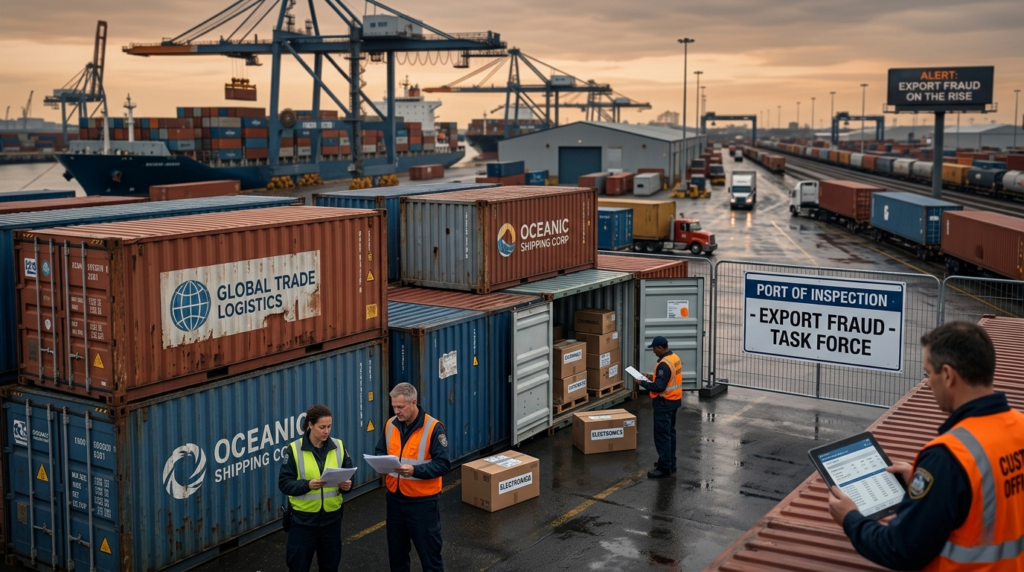
Before we dive into solutions, it is crucial to understand the enemy. Export fraud isn’t a single act; it is a spectrum of deceit. It ranges from simple non-payment to complex schemes involving forged documents, shell companies, and cyber intrusions.
According to trade finance experts, the most common types of fraud include:
- The Phony Buyer: A scammer poses as a legitimate company, places a large order, and then disappears after receiving the goods.
- Documentary Fraud: Fraudsters alter or forge bills of lading, inspection certificates, or letters of credit to release goods without payment.
- Cyber Fraud (BEC): Business Email Compromise where scammers impersonate a supplier or buyer to redirect payments to a fraudulent bank account.
- Overpayment Scams: The buyer sends a check for more than the invoice amount and asks for the difference to be wired back only for the original check to bounce.
To navigate this landscape, you must transition from a reactive mindset to a proactive one, implementing robust export compliance guidelines from day one.
1: Master Due Diligence (The Buyer Verification Process)
The first line of defense in international Trade protection business security is knowing exactly who you are dealing with. Many exporters fail because they are too eager to ship goods without verifying the legitimacy of the buyer.
How to Conduct Effective Due Diligence
You need to move beyond a simple Google search. Implement a strict buyer verification process that includes:
- Corporate Registration: Verify the company’s registration number with the local chamber of commerce or government registry (e.g., Companies House in the UK, SEC in the US).
- Physical Verification: Use Google Earth to view the buyer’s physical address. A luxury goods importer operating out of a residential apartment in a non-commercial zone is a red flag in export business.
- Bank References: Request a reference letter from the buyer’s bank. A legitimate buyer will have a banking history that can be verified.
- Third-Party Reports: Utilize commercial credit reporting agencies like Dun & Bradstreet (D&B) to obtain a credit report and risk score on the potential client.
Pro Tip: Beware of urgency. Scammers thrive on pressure. If a "buyer" is rushing you to ship goods without proper documentation or credit checks, treat it as a significant fraud risk in global trade.
2: Secure Payment Methods and Trade Finance Security
How you get paid is the most critical component of safe export practices. While a Letter of Credit (LC) is often considered safe, even LCs can be manipulated if you are not careful.
Ranking Payment Methods by Safety
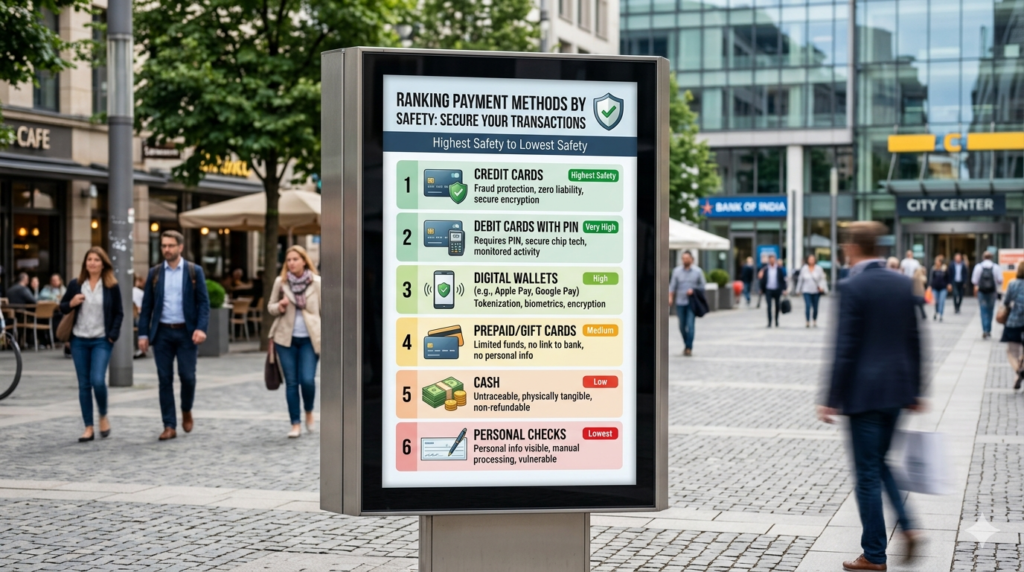
Here is a hierarchy of payment security, from safest to riskiest:
| Payment Method | Risk Level | Best For | Key Protection Strategy |
| Cash in Advance (CIA) | Low | New relationships, high-risk countries | Wire transfers (TT) only; verify funds cleared before shipment. |
| Confirmed Irrevocable LC | Low-Moderate | Established buyers, high-value goods | Ensure the LC is confirmed by a bank in your country to remove country risk. |
| Unconfirmed LC | Moderate | Trusted partners | Scrutinize documents strictly. Discrepancies allow banks to refuse payment. |
| Documentary Collections (D/P) | High | Low-risk, stable markets | You retain title via Bill of Lading, but the buyer can refuse goods. |
| Open Account | Very High | Long-term, trusted partners | Requires robust trade credit insurance. |
To ensure secure international transactions, avoid open account terms for first-time buyers. If a buyer insists on open account but refuses to provide credit references or pay for credit insurance, walk away. Additionally, implementing payment fraud prevention tools like Positive Pay (for checks) and dual-authorization for wire transfers can protect against cyber theft.
3: Export Documentation Verification (The Anti-Forgery Shield)
Paperwork is the backbone of international trade. Fraudsters often exploit the complexity of documentation to execute shipping fraud risks. A forged Bill of Lading (B/L) can result in your cargo being released without your consent or payment.
Key Documents to Validate
- Bill of Lading (B/L): Always insist on a "To Order" Bill of Lading. This keeps the title of the goods in your name until the bank releases it. Verify the B/L number with the shipping line directly via their website, not through the link provided by the buyer.
- Letters of Credit (LC): Before shipping, review the LC for "soft clauses"conditions that are impossible to meet or are vague. Example: "Inspection certificate approved by buyer." This gives the buyer veto power after shipment.
- Inspection Certificates: If a third-party inspection is required (e.g., SGS), verify the report number with the inspection agency directly. Fake certificates are a common tool in export contract safety breaches.
Automating this process using export documentation verification software can help flag discrepancies before the goods leave your warehouse, saving you from costly chargebacks or lost cargo.
4: Red Flags in Export Business (Trust Your Gut)
Often, the signs of a scam are visible long before the money is lost. Training your sales and logistics teams to recognize these red flags in export business is a crucial trade risk mitigation strategy.
10 Red Flags to Watch For:
- The "Accidental" Overpayment: The buyer sends more than the invoice and asks for a refund of the excess.
- Unprofessional Communication: Emails filled with typos, generic email addresses (Gmail/Yahoo for a "major corporation"), or urgency.
- Vague Product Knowledge: The buyer doesn’t ask about specifications, quality, or warranty they just want the price and shipping.
- Third-Party Shipping: The buyer insists on using their own freight forwarder without a valid reason, which can lead to loss of control over the cargo.
- Jurisdiction Hopping: The company is registered in one country, the bank is in a second, and the shipping destination is a third (often a high-risk jurisdiction).
- Pressure to Deviate: Requests to under-value invoices (for customs fraud) or mis-declare goods.
- Unsolicited Orders: Large orders from unknown entities arriving out of the blue.
- Free Email Domains: Legitimate businesses usually have corporate email domains.
- Last-Minute Changes: Sudden changes to payment terms or shipping destinations after the contract is signed.
- Refusal to Video Call: Modern business relies on face-to-face interaction; refusal to engage via Zoom/Teams is a major red flag.
Case Study: How AI Stopped a $500,000 Wire Transfer Fraud
A mid-sized machinery exporter in Germany received an email that appeared to be from their long-term US buyer. The email stated that the buyer’s bank account had changed and requested all future payments be sent to a new account in Hong Kong.
The Breach: The exporter’s accounts team was about to authorize a $500,000 transfer for a shipped container. However, the company had recently implemented an AI-driven anomaly detection tool as part of their international trade protection stack.
The Solution: The AI flagged the transaction because:
- The email originated from a domain that was one character off from the buyer’s real domain (homoglyph attack).
- The new bank account location (Hong Kong) did not match the buyer’s historical financial profile (US-based).
- The urgency of the request triggered a "high-risk payment" alert.
The finance manager paused the transaction and called the buyer’s known contact. It was a classic Business Email Compromise (BEC) scam. By using online trade scams detection tools, the company saved half a million dollars. This highlights that business fraud awareness is not just about training; it’s about deploying the right technology to enforce global trade compliance.
Leveraging Technology for Export Compliance Guidelines
Modern exporters cannot rely solely on manual checks. Integrating technology into your workflow is essential for AI Optimization (AIO) and scaling your operations safely.
Tools and Strategies
- Blockchain for Documentation: Platforms like IBM Food Trust or TradeLens (now part of broader logistics networks) use distributed ledgers to ensure that a Bill of Lading cannot be altered once issued. This drastically reduces documentary fraud.
- AI-Powered KYC (Know Your Customer): Services like LexisNexis or Kompany use AI to perform real-time verification of company registrations and beneficial ownership across 100+ countries.
- Automated Compliance Checks: Use software that cross-references your buyers against sanctions lists (OFAC, EU Sanctions) automatically to ensure international business security.
- Cyber Hygiene: Implement DMARC (Domain-based Message Authentication) on your email domain to prevent spoofing. Train staff using simulated phishing attacks to build awareness against online trade scams.
FAQ:
To win in voice search and featured snippets, we address the most common queries regarding export fraud.
1Q: What is the safest way to receive payment for international trade protection exports?
A: The safest method is Cash in Advance (CIA), typically via wire transfer, where funds are received and cleared before shipment. For high-value transactions, a Confirmed Irrevocable Letter of Credit from a reputable bank in your country is the industry standard for balancing buyer and seller security.
2Q: How can I verify if an international buyer is legitimate?
A: You can verify a buyer through a multi-step process: 1) Obtain a credit report from Dun & Bradstreet. 2) Verify their corporate registration with the local government registry. 3) Request bank references and contact the bank directly. 4) Use video conferencing to meet the management team and view their facilities.
3Q: What are the first signs of an export scam?
A: The first signs include urgency to ship without proper paperwork, requests for overpayments, use of free email domains for corporate communication, a buyer who is uninterested in product specifications, and a request to send goods to a third-party country different from the buyer’s location.
4Q: What is the role of a Bill of Lading in preventing fraud?
A: The Bill of Lading is a document of title. A "To Order" Bill of Lading ensures that the shipping line cannot release the cargo to the buyer unless the original, endorsed document is presented to them usually by the bank after payment. This prevents thieves from stealing the cargo without paying.
5Q: How does trade credit insurance help in fraud prevention?
A: Trade credit insurance protects your accounts receivable from non-payment due to commercial risks (buyer insolvency) or political risks. Crucially, insurers also conduct due diligence in international trade on your behalf, vetting buyers to ensure they are legitimate before offering coverage.
Conclusion:
Avoiding export fraud is not about a single magic bullet; it is about creating a culture of security. By implementing strict international trade protection protocols ranging from rigorous buyer verification and secure payment structures to AI-driven document validation you transform your business from a vulnerable target into a fortified fortress.
Remember, export fraud detection methods are most effective when they are layered. Combine human intuition with digital tools. Trust, but verify.
Your Next Steps:
- Audit Your Current Process: Identify gaps in your buyer verification and payment approval workflows.
- Implement a "Red Flag" Checklist: Share the list of 10 red flags with your sales and finance teams today.
- Invest in Automation: Explore AI tools for KYC and document verification to scale your trade risk mitigation strategies.
Global trade is the engine of economic growth. Don’t let fraudsters steal your momentum. Secure your supply chain, protect your cash flow, and ensure international trade protection with confidence.

0 Comments